
Complete Guide to Health and Wellness for Beginners

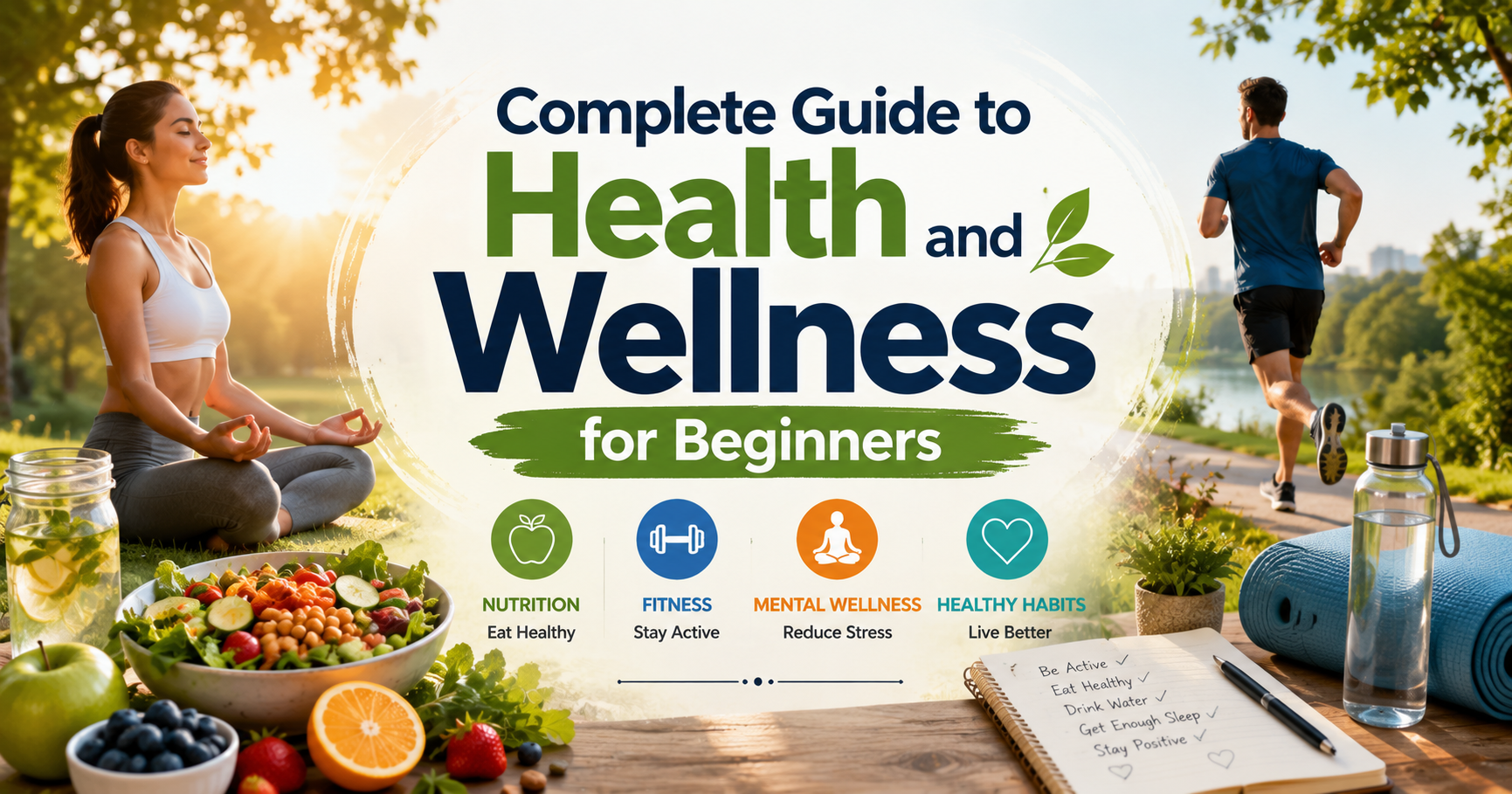
The complete guide to health and wellness for beginners covers five foundational pillars—nutrition, exercise, sleep, mental wellness, and daily habits. Small, consistent changes in each area can significantly improve physical health, energy levels, and overall quality of life.
Starting a health and wellness journey can feel overwhelming. Where do you begin? What actually matters? The good news is that building a healthier life doesn’t require radical changes overnight. This complete guide to health and wellness for beginners breaks everything down into simple, actionable steps you can start today.
Whether your goal is to lose weight, feel more energized, or simply build better daily habits, this beginner wellness guide covers the essentials—without the confusion.
What Is Health and Wellness?
Health and wellness refer to the overall state of physical, mental, and emotional well-being. Health is often defined as the absence of disease, but wellness goes further—it’s about actively making choices that lead to a fulfilling, balanced life.
Think of wellness as a lifestyle, not a destination. The two work together: strong physical health supports mental wellness, and a healthy mindset makes it easier to sustain healthy habits.
Nutrition for Beginners: What Should You Actually Eat?
Good nutrition is the foundation of any healthy lifestyle. You don’t need a complicated meal plan. Start with these core principles:
- Eat whole foods: Prioritize fruits, vegetables, lean proteins, whole grains, and healthy fats.
- Limit processed foods: Reduce sugary snacks, fast food, and refined carbohydrates.
- Stay hydrated: Aim for at least 8 glasses of water per day.
- Mind your portions: Use smaller plates and eat slowly to avoid overeating.
- Don’t skip meals: Skipping meals often leads to overeating later in the day.
A practical example: swap your afternoon chips for a handful of almonds and a piece of fruit. Small substitutions add up significantly over time.
| Food Group | Healthy Examples |
|---|---|
| Proteins | Chicken, fish, eggs, legumes |
| Carbohydrates | Brown rice, oats, sweet potatoes |
| Fats | Avocado, olive oil, nuts |
| Vegetables | Broccoli, spinach, carrots |
Exercise for Beginners: How Much Do You Need?
Physical activity doesn’t have to mean hours at the gym. The American Heart Association recommends at least 150 minutes of moderate-intensity exercise per week for adults—that’s just 30 minutes, five days a week.
Beginner-friendly options include:
- Walking: Free, low-impact, and highly effective for cardiovascular health.
- Bodyweight exercises: Push-ups, squats, and lunges require no equipment.
- Yoga or stretching: Great for flexibility, posture, and stress relief.
- Cycling: Easy on the joints and good for building endurance.
The key is consistency, not intensity. Starting with three 20-minute walks per week is far more effective than one exhausting gym session followed by a week of rest.
Want to stay ahead of what’s working in fitness right now? Check out the Top Fitness Trends You Need to Know to find an exercise style that suits your lifestyle.
Better Sleep Habits: Why Rest Is Non-Negotiable
Poor sleep affects everything—your mood, metabolism, immune system, and mental clarity. According to the Centers for Disease Control and Prevention (CDC), adults need 7 or more hours of sleep per night, yet 1 in 3 Americans regularly falls short of that.
Better sleep habits to build tonight:
- Set a consistent bedtime: Going to sleep and waking up at the same time each day regulates your body clock.
- Limit screen time: Avoid phones and laptops at least 30 minutes before bed.
- Keep your room cool and dark: The ideal sleep temperature is between 60–67°F (15–19°C).
- Cut caffeine after 2 PM: Caffeine has a half-life of about 5 hours and can disrupt sleep even when consumed in the afternoon.
- Wind down with a routine: Reading, light stretching, or journaling signals to your brain that it’s time to rest.
Mental Wellness: Taking Care of Your Mind
Physical health and mental wellness are deeply connected. Chronic stress raises cortisol levels, which can contribute to weight gain, poor sleep, and weakened immunity. Addressing mental wellness is just as important as any other part of a healthy lifestyle.
Simple mental wellness practices:
- Mindfulness and meditation: Even 5–10 minutes daily can reduce stress and improve focus.
- Journaling: Writing down thoughts helps process emotions and set daily intentions.
- Social connection: Strong relationships are consistently linked to longer, healthier lives.
- Limit news and social media: Excessive consumption is linked to increased anxiety and lower self-esteem.
- Seek professional support when needed: Therapy and counseling are effective tools, not last resorts.
Healthy Lifestyle Tips & Healthy Habits to Build Daily
Sustainable wellness comes from habits, not willpower. Here are practical healthy lifestyle tips that beginners can implement right away:
- Start your morning with water: Rehydrate before reaching for coffee.
- Move every hour: Set a reminder to stand and stretch if you sit for long periods.
- Cook at home more often: Home-cooked meals tend to be lower in sodium, sugar, and unhealthy fats.
- Track your habits: Use a journal or app to monitor sleep, water intake, and exercise.
- Practice gratitude: A daily gratitude practice is linked to improved mood and reduced stress.
- Schedule health check-ups: Preventive care catches issues before they become serious problems.
Small wins compound. One good habit often triggers another.
How to Boost Your Immune System Naturally at Home
A strong immune system supports everything else in your wellness routine. The basics—adequate sleep, a balanced diet, regular movement, and stress management—are the most evidence-backed ways to keep your immune system functioning well.
For a deeper dive into natural methods, read our full guide on How to Boost Your Immune System Naturally at Home, covering everything from vitamin D and zinc-rich foods to proven daily practices that strengthen your body’s defenses.
Start Small, Stay Consistent
Building a healthier life is a process, not a single decision. This complete guide to health and wellness for beginners outlines five key areas—nutrition, exercise, sleep, mental wellness, and daily habits—because lasting wellness depends on all of them working together.
Start with one area. Maybe it’s drinking more water, walking for 20 minutes each morning, or going to bed 30 minutes earlier. Master that, then add the next habit. Progress compounds faster than most people expect.
Your health is worth the investment. Take that first step today.
Frequently Asked Questions
What is the best starting point for a beginner wellness journey?
The best starting point is improving one habit at a time. Most health experts recommend beginning with sleep or hydration, as both have an immediate impact on energy, mood, and motivation to make further changes.
How long does it take to see results from a healthy lifestyle?
Many people notice improvements in energy and mood within 1–2 weeks of better sleep and nutrition habits. Physical changes such as weight loss or improved fitness typically become visible within 4–8 weeks of consistent effort.
Is nutrition or exercise more important for beginners?
Both matter, but nutrition generally has a greater impact on weight management, while exercise is more critical for cardiovascular health and mental wellness. For beginners, prioritizing both equally—even at a basic level—produces the best overall results.
How can beginners manage stress without expensive treatments?
Free and low-cost options include daily walks, mindfulness meditation (available through free apps like Insight Timer), journaling, and limiting social media use. Consistent sleep is also one of the most effective and accessible stress management tools available.
Can small daily habits really make a significant health difference?
Yes. Research in behavioral science consistently shows that small, repeated behaviors drive long-term change more effectively than large, unsustainable efforts. A 10-minute daily walk, for example, accumulates to over 60 hours of physical activity per year.