
Which Country Eats the Most Samosas in the World?

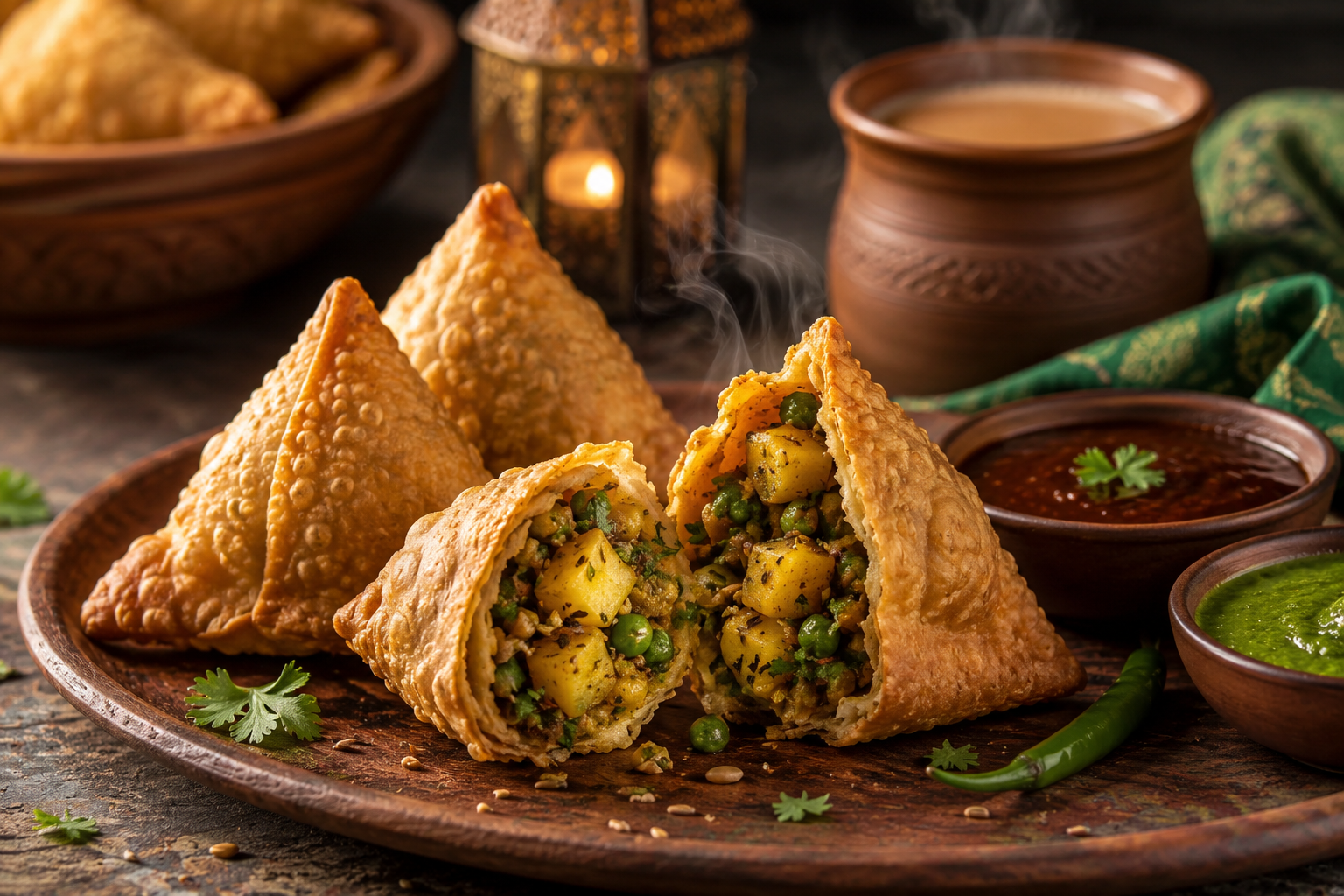
Samosa is one of the most loved snacks across the globe, but when it comes to maximum consumption, India is considered the largest consumer of samosas in the world. From busy street stalls to tea shops, restaurants, railway stations, and home kitchens, samosas are deeply connected with Indian food culture.
Why Are Samosas So Popular in India?
In India, samosa is more than just a snack. It is an emotion for many people. Whether it is evening tea, office breaks, school canteens, weddings, or festivals, samosas are found almost everywhere. The crispy outer layer and spicy potato filling make it a favorite street food among all age groups.
Reports suggest that millions of samosas are consumed daily across the country, making India the biggest market for this famous snack.
What Makes Indian Samosas Special?
Indian samosas are famous for their rich flavors and variety. Different regions of India prepare samosas in different styles:
- Punjabi samosa with spicy potato filling
- Bengali singhara with peanuts and spices
- Hyderabadi lukhmi filled with minced meat
- South Indian samosas with curry leaves and vegetables
These regional twists make samosas even more popular across the country.
Origin of Samosa
Interestingly, the samosa did not originally come from India. Historians believe it has roots in Central Asia and the Middle East. Over time, it reached the Indian subcontinent and became one of the country’s most iconic snacks.
Samosa Popularity Around the World
Although India consumes the most samosas, the snack is also very popular in countries like:
- Pakistan
- Bangladesh
- Nepal
- United Kingdom
- South Africa
- Canada
- United States
In many countries, samosas are sold as street food, frozen snacks, or restaurant appetizers.
Conclusion
India is widely regarded as the country that consumes the most samosas in the world. Its popularity comes from affordability, taste, easy availability, and a strong cultural connection. From roadside vendors to luxury cafes, samosas continue to rule Indian snack culture and remain one of the most loved foods worldwide.