
Your home should be a place where you can relax, recharge, and feel comfortable. However, the air inside your house may contain dust, mold spores, smoke, pet dander, and chemicals from everyday household products. These pollutants can build up over time, especially when rooms have limited ventilation.
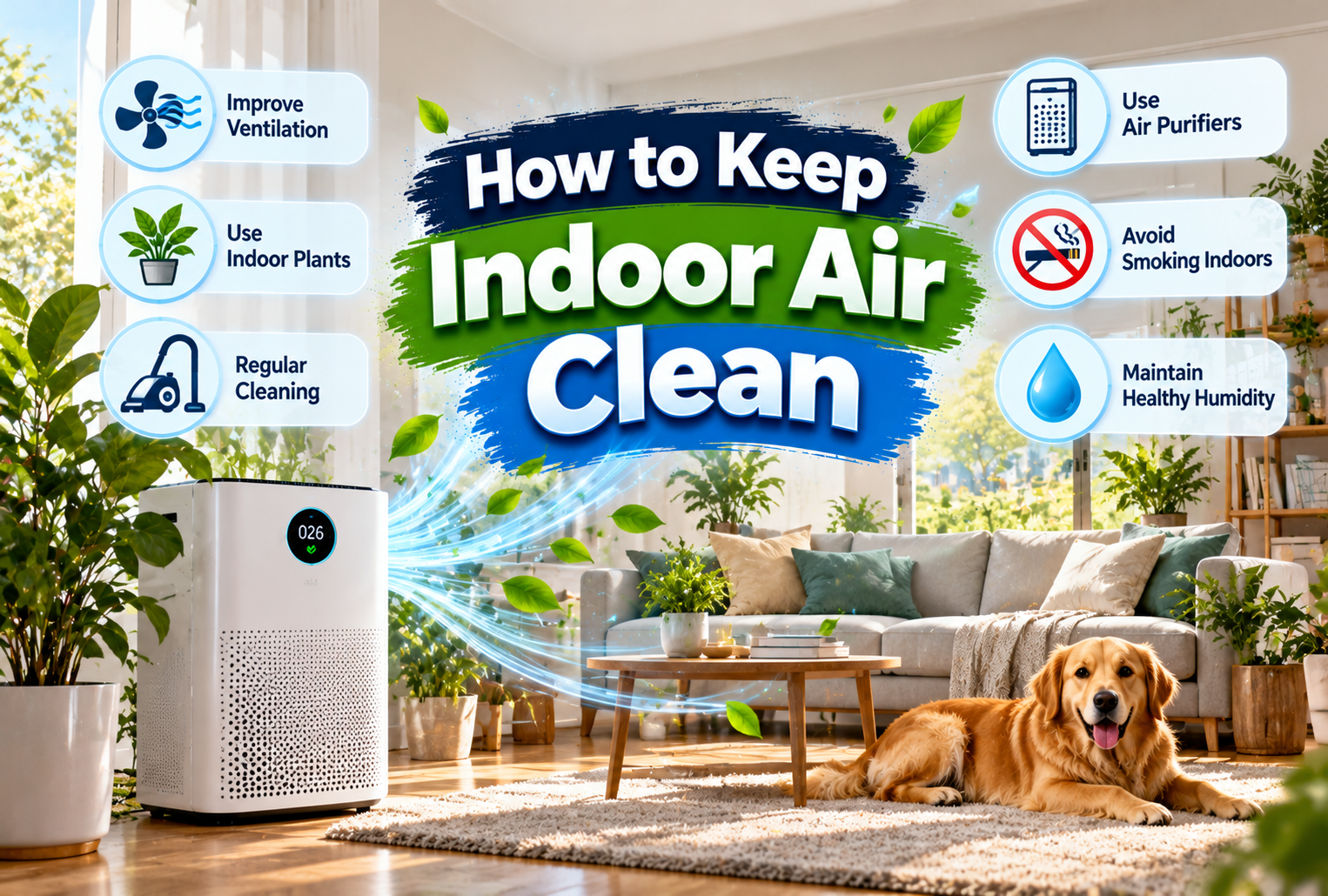
Learning How to Keep Indoor Air Clean does not necessarily require expensive equipment or major home renovations. Simple habits such as regular cleaning, controlling moisture, improving ventilation, and choosing household products carefully can help create a healthier indoor environment.
In this guide, we will explore common indoor air pollutants, explain where household air irritants come from, and share practical ways to improve indoor air quality.
Why Is Indoor Air Quality Important?
Indoor air quality refers to the condition of the air inside your home, including the presence of particles, gases, moisture, and other substances that may affect comfort and health.
According to the U.S. Environmental Protection Agency (EPA), indoor air quality can be affected by pollution sources, ventilation, and how a building is used and maintained.
Poor indoor air quality may contribute to irritation of the eyes, nose, and throat, headaches, or breathing discomfort. People with asthma, allergies, or other respiratory conditions may be particularly sensitive to certain pollutants.
That is why indoor air quality improvement should be part of regular home maintenance rather than something you think about only when there is a noticeable smell or visible dust.
Common Indoor Air Pollutants to Watch For
Before learning how to reduce pollution, it helps to identify the sources that may be affecting the air inside your home.
1. Dust and Dust Mites
Dust can accumulate on furniture, curtains, carpets, mattresses, shelves, and electronic devices. It may contain tiny particles from fabrics, soil, skin flakes, and other materials. Dust mites can also live in bedding and upholstered furniture.
For people who are sensitive to them, these particles may trigger sneezing, a runny nose, itchy eyes, or allergy symptoms.
Ways to reduce dust at home:
-
Dust surfaces regularly with a damp microfiber cloth.
-
Vacuum carpets and upholstery using a vacuum with a high-efficiency filter, if available.
-
Wash bedding regularly according to its care instructions.
-
Reduce unnecessary clutter that collects dust.
-
Clean ceiling fans, window frames, and areas behind furniture.
These simple habits can help limit common household allergens and support cleaner indoor spaces.
2. Mold and Excess Moisture
Mold can grow in damp areas such as bathrooms, kitchens, basements, around leaking pipes, or near windows where condensation builds up. Mold releases spores into the air, which can affect people who are sensitive to them.
The key to mold prevention is controlling moisture. Simply cleaning visible mold without addressing the source of dampness may allow it to return.
Mold prevention tips:
-
Repair leaking pipes, roofs, and taps promptly.
-
Use an exhaust fan while showering or cooking when possible.
-
Dry wet areas and materials quickly.
-
Keep an eye on condensation around windows and walls.
-
Use a dehumidifier if indoor humidity is consistently high.
The EPA's mold guidance recommends addressing moisture problems to prevent mold growth. If mold covers a large area, keeps returning, or is associated with extensive water damage, consider professional help.
3. Smoke from Cooking, Candles, and Tobacco
Cooking can release particles and gases, especially when frying, grilling, or cooking at high temperatures. Tobacco smoke and smoke from burning candles or incense can also add pollutants to indoor air.
Cooking with gas appliances may produce nitrogen dioxide and other combustion pollutants. Poorly maintained fuel-burning appliances can create additional risks.
To reduce smoke and cooking-related pollution:
-
Use a kitchen exhaust hood that vents outdoors, if available.
-
Turn on the exhaust fan before cooking and leave it running for a short time afterward.
-
Open windows when outdoor conditions are suitable.
-
Avoid smoking indoors.
-
Reduce unnecessary burning of incense and candles, especially in poorly ventilated rooms.
-
Maintain fuel-burning appliances according to the manufacturer's instructions.
These indoor air pollution prevention steps can help reduce exposure to smoke and cooking emissions.
4. Household Cleaning Products and Fragrances
Air fresheners, aerosol sprays, paints, solvents, disinfectants, and some cleaning products can release volatile organic compounds (VOCs) or other airborne chemicals.
A strong fragrance does not necessarily mean a product cleans the air. In some cases, fragranced products may irritate people with asthma or sensitivities.
For safer everyday cleaning:
-
Follow product label directions carefully.
-
Use only the amount recommended.
-
Ventilate the room while using products when appropriate.
-
Choose fragrance-free products if scents trigger symptoms.
-
Keep chemicals in their original containers and store them safely.
-
Never mix cleaning products, particularly bleach with ammonia or acids.
The EPA's guide to VOCs and indoor air explains that some household products can contribute to indoor VOC levels.
5. Pet Dander and Other Allergens
Pets can bring outdoor particles inside and shed dander, which consists of tiny flakes of skin. Other common household allergens may include pollen, dust mites, and cockroach allergens.
If you experience allergy symptoms at home, consider:
-
Washing pet bedding regularly.
-
Grooming pets in a suitable, well-ventilated area.
-
Keeping pets out of the bedroom if they trigger symptoms.
-
Vacuuming upholstery and floors consistently.
-
Washing hands after handling pets.
-
Keeping windows closed when outdoor pollen levels are high, if pollen is a trigger.
These measures may help reduce exposure, although the best approach depends on the specific allergen and individual sensitivity.
6. Poor Ventilation and Outdoor Pollution
A home may accumulate pollutants when fresh air exchange is limited. At the same time, outdoor pollution from traffic, construction, smoke, or seasonal smog can enter through open windows and doors.
This makes ventilation an important part of how to improve indoor air quality, but the right approach depends on outdoor conditions.
Useful home ventilation tips include:
-
Use kitchen and bathroom exhaust fans that discharge outdoors.
-
Ventilate rooms when outdoor air quality is good.
-
Keep air vents unobstructed.
-
Maintain heating, ventilation, and air-conditioning equipment according to manufacturer guidance.
-
Check local air quality reports before opening windows during periods of heavy pollution.
In areas affected by traffic pollution, dust storms, or seasonal smog, opening windows all day may not be the best option. Balance fresh-air ventilation with outdoor air quality.
How to Improve Indoor Air Quality: Practical Everyday Steps
Once you understand the main sources of pollution, you can build a manageable routine for a cleaner home.
1. Follow a Regular Cleaning Routine
Dust and debris can collect quickly, particularly in homes with pets, carpets, or frequently opened windows.
Clean high-touch and dust-prone surfaces regularly. Damp dusting is generally preferable to dry dusting because it helps trap particles rather than scattering them. Vacuum floors and upholstered furniture as needed.
Focus on neglected areas such as:
-
Behind and beneath furniture
-
Window sills and frames
-
Ceiling fans and light fixtures
-
Curtains and rugs
-
Bedding and fabric upholstery
A consistent routine is one of the simplest ways to reduce dust and maintain a cleaner indoor environment.
2. Consider an Air Purifier with an Appropriate Filter
A portable air cleaner can help remove certain airborne particles, depending on its filter, room size, and usage. A HEPA filter is designed to capture a high proportion of airborne particles, but it does not automatically remove every gas, odor, or chemical pollutant.
Before buying an air purifier:
-
Choose a model suitable for the room's size.
-
Check its clean air delivery rate (CADR), where available.
-
Follow the recommended filter replacement schedule.
-
Place the unit where air can circulate around it.
-
Avoid devices that intentionally generate ozone.
An air purifier is best treated as one part of an overall indoor air quality improvement plan, not a replacement for removing pollution sources or controlling moisture.
The EPA's guide to air cleaners and air filters offers more information on selecting and using these devices.
3. Keep Indoor Humidity Under Control
Excess moisture encourages mold growth and may support dust mite populations. Maintaining moderate indoor humidity can help reduce these problems.
A hygrometer can help you monitor humidity. The EPA generally recommends keeping indoor relative humidity below 60%, ideally around 30–50% when practical.
To manage moisture:
-
Use exhaust fans in bathrooms and kitchens.
-
Fix plumbing leaks quickly.
-
Dry damp surfaces and fabrics.
-
Avoid drying large amounts of wet laundry indoors without adequate ventilation.
-
Use a dehumidifier when necessary.
Humidity needs can vary with climate and building conditions, so check for condensation and dampness as well as the reading on your device.
4. Choose Household Products Carefully
Everyday choices can make a difference to the air inside your home. Look for products with clear ingredient and usage information, and avoid using more than necessary.
When painting, renovating, or using solvents, follow label instructions and provide appropriate ventilation. Keep children and pets away from products while they are being used or stored.
Do not rely on scented sprays to mask odors. If a room smells unusual, try to identify and remove the source instead.
5. Maintain Appliances and Replace Filters
Heating and cooling systems, exhaust fans, and other appliances work best when maintained according to their manufacturer's instructions.
Check filters regularly and replace or clean them as directed. Keep vents clear of furniture and curtains, and arrange professional maintenance when needed.
If your home uses fuel-burning appliances, ensure they are properly maintained and vented. Install carbon monoxide alarms according to local requirements and manufacturer guidance. Carbon monoxide is an odorless, potentially deadly gas, so smell is not a reliable warning.
6. Check Air Quality Before Ventilating
Fresh air can help dilute indoor pollutants, but outdoor air is not always clean. During high-pollution periods, smoke events, or heavy dust, consider keeping windows closed and using suitable filtration where available.
Check the local air quality index (AQI), especially if you live near busy roads or in a city affected by seasonal pollution. When outdoor conditions improve, ventilate your home appropriately.
Common Mistakes to Avoid When Trying to Keep Indoor Air Clean
Even well-intentioned cleaning habits may not solve the underlying problem. Avoid these common mistakes:
-
Using air fresheners to cover up odors: Identify the source instead of masking it.
-
Ignoring leaks: Persistent dampness can encourage mold growth.
-
Dry dusting everything: This can send particles back into the air.
-
Keeping windows open regardless of outdoor pollution: Check local conditions first.
-
Expecting an air purifier to solve every problem: Source control and ventilation still matter.
-
Mixing cleaning chemicals: Dangerous reactions can occur.
-
Forgetting hidden areas: Bedding, upholstery, filters, and exhaust fans also need attention.
A source-first approach is usually more effective than relying on one product or cleaning technique.
A Simple Weekly Checklist for Cleaner Air at Home
Use this checklist to make indoor air pollution prevention easier to maintain.
-
Damp-dust furniture and shelves.
-
Vacuum floors and upholstery as needed.
-
Wash bedding and pet bedding regularly.
-
Check bathrooms, kitchens, and windows for dampness.
-
Use kitchen and bathroom exhaust fans when appropriate.
-
Check appliance filters and vents.
-
Store cleaning products safely and follow label directions.
-
Check local outdoor air quality before opening windows for long periods.
You do not need to complete every task every day. Adjust the routine to your household, climate, pets, and allergy concerns.
Conclusion
Learning How to Keep Indoor Air Clean starts with identifying the pollutants that may be present in your home and reducing them at their source. Dust, mold, smoke, pet dander, cleaning-product emissions, and poor ventilation can all affect indoor air quality, but practical daily habits can help manage many of these issues.
Focus on regular cleaning, moisture control, appropriate ventilation, careful product use, and suitable filtration when needed. Remember that the best approach depends on your home and local outdoor air conditions.
With a consistent routine and attention to common household irritants, you can take practical steps toward cleaner air and a more comfortable living environment.
Disclaimer: This article is for general educational purposes only and is not a substitute for professional medical, environmental, or building-maintenance advice. If you have persistent respiratory symptoms or suspect a serious indoor air hazard, consult an appropriate professional.